

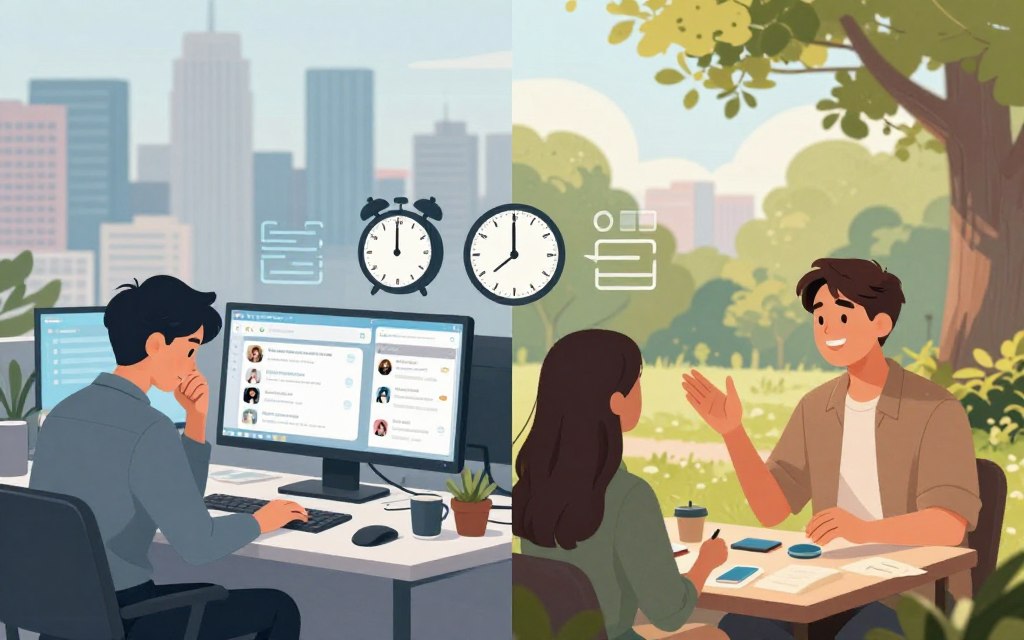
In today’s fast-paced world, many people ask whether their digital habits affect their well-being. The question is: is technology really ruining your life? Smartphones, laptops, and other devices shape daily routines, so we must consider the technology impact on life.
This article examines research on digital habits. We will explore how too much screen time can affect social lives, relationships, and productivity. We take an evidence-based approach to understand these screen time effects without alarmist claims.
Technology itself is not inherently harmful. However, unchecked digital habits can cause negative outcomes. This article offers practical strategies for healthier tech routines and a balanced lifestyle.
Key Takeaways
- Digital habits can significantly influence mental and physical health.
- Excessive screen time may affect social interactions and relationships.
- Technology is not the enemy; unchecked habits can be detrimental.
- Research will be presented to support the discussion.
- Practical strategies for healthier tech routines will be offered.
The Digital Landscape in Modern America
Digital life now plays a key role in American life. Screen time statistics United States families see help explain how people use devices each day. This section examines screen time statistics in the United States and popular digital platforms that shape daily life.
Statistics on Screen Time in the United States
Recent studies show Americans spend more than 7 hours each day on screens. This total includes smartphones, tablets, computers, and televisions. According to the Pew Research Center, screen time changes greatly among age groups.
Younger people, especially those aged 18-24, often report more than 9 hours of daily screen time. These results help explain daily screen time America records across age groups.
Growing digital device usage has changed how people use technology. About 85% of Americans own a smartphone, making it the most common digital device. Mobile apps and social media are central to daily routines, communication, work, and entertainment.
Common Digital Devices and Platforms Shaping Daily Routines
Tablets, laptops, and smart TVs also play important roles in daily life. These devices support work, education, leisure, and social connection. Popular digital platforms include Facebook, Instagram, TikTok, YouTube, and X, with millions of daily users.
Technology now has a deep effect on digital habits. As devices and platforms evolve, they shape routines, relationships, and how people experience the world.
Related Posts:
- How to Market Technology Reaching the Right Audience

- The Top Technology Trends to Watch in 2024

- What Is Clicker Technology Classroom Response Systems

- How to Overcome Technology Challenges in Business:…

- How Technology Is Good for Students Enhancing Learning

- What Is Cloud Network Technology Samoa Limited A…

How Digital Habits Shape Daily Life
Our daily digital habits shape how we start and move through each day. A digital dependency morning routine often begins when people reach for smartphones after waking.
They check notifications, scroll through social media, or read email before leaving bed. This habit creates urgency and a reactive mindset for the rest of the day.
These habits show technology’s wide reach in daily life. They can keep us informed, but may also cause overwhelm. This dependence reflects a culture where constant connection is often expected.
Morning Routines and Digital Dependency
Technology can blur relaxation and duty during morning routines. Instead of enjoying a peaceful start, many people enter a cycle of digital engagement.
This pattern can take time away from mindfulness and self-care. A digital dependency morning routine may make calm mornings harder to protect.
Work, Leisure, and the Blurred Boundaries
Technology’s impact reaches beyond morning routines. With remote work, work and leisure now have blurred boundaries.
Employees often feel pressure to stay “available” beyond regular hours. This is called “availability creep.” It reduces downtime and can harm work-life balance technology.
Leisure has also changed greatly. Streaming services, gaming, and social media often replace offline hobbies, making time easy to lose.
These activities can be fun, but may reduce restorative experiences needed for mental well-being. Blurred boundaries screen time can make this problem worse.
Digital habits are not always harmful. They become problems when they replace restorative activities that support a balanced life.
Understanding this pattern matters as we navigate an increasingly digital world. Small changes to daily digital habits can help protect balance.

Is Technology Really Ruining Your Life? Examining the Evidence
As technology enters more daily routines, its effects on well-being deserve careful study. Digital wellbeing research shows a complex link between technology use and mental health.
Research Findings on Digital Wellbeing
Many studies examine technology’s impact on our lives. For instance, Andrew Przybylski at the Oxford Internet Institute found that moderate screen time does not necessarily harm mental health. Researchers should separate general screen time from harmful use, including compulsive social media scrolling or gaming addiction.
Excessive use can cause anxiety and depression. Yet moderate technology use can strengthen social connections and provide valuable information. This technology impact evidence shows why context matters.
The Dual Nature of Technology: Benefits and Drawbacks
The benefits and drawbacks of technology affect daily life in different ways. It supports connection, educational resources, and telehealth services. However, it can cause distractions, social comparisons, and sleep disruptions.
The table below summarizes key benefits and drawbacks of technology:
| Benefits | Drawbacks |
|---|---|
| Increased connectivity with friends and family | Distraction from real-life interactions |
| Access to vast information and resources | Overwhelm from information overload |
| Opportunities for remote work and learning | Potential for addiction to social media |
Is technology really ruining your life? The answer is not simply yes or no. It depends on how, when, and why people use digital tools.
Mental Health Consequences of Excessive Screen Time
Understanding the link between mental health and screen time matters in today’s digital age. Studies show excessive screen use can raise anxiety and depression rates. This pattern, called digital overload anxiety, appears especially strong among adolescents and young adults.
Constant notifications and information can raise stress and make coping harder. Emotional resilience may weaken, creating a cycle of anxiety and depressive symptoms. Recognizing these patterns supports better mental health.
Anxiety, Depression, and Digital Overload
Digital overload affects mood and overall mental well-being. Many users repeatedly check devices, which can increase isolation and dissatisfaction. The connection between depression and technology can grow when staying connected feels overwhelming.
Sleep Disruption and Circadian Rhythms
Another major effect of excessive screen time is sleep disruption. Late-night screen use can interfere with natural circadian rhythms. This disruption can make falling asleep and staying asleep harder.
Blue Light Exposure and Melatonin Production
Blue light exposure is a main cause of sleep issues. Screens emit blue light that suppresses melatonin, a hormone crucial for sleep regulation. Sleep disruption from blue light can delay the body’s natural sleep-wake cycle.
Bedtime Phone Use Patterns Among Americans
Common bedtime phone use patterns include:
- Scrolling through social media before sleep
- Checking emails right before bed
- Waking up to check notifications
These bedtime phone use patterns can harm sleep quality and overall mental health. Recognizing their effects can support healthier digital habits.

Physical Health Effects of Digital Overuse
Excessive digital device use can harm the body. Many people develop health problems after long periods of screen time. Knowing these risks helps protect overall well-being.
Eye Strain, Posture Problems, and Repetitive Strain Injuries
A common problem is digital eye strain, also called computer vision syndrome. Symptoms include dry eyes, blurred vision, and headaches. These symptoms can result from staring at screens too long without breaks.
Many people also develop tech neck posture. Leaning toward screens can cause lasting neck and back pain. Watch your posture while using devices to help prevent long-term damage.
Repetitive strain injury examples include carpal tunnel syndrome and “texting thumb.” Typing and scrolling repeat the same motions, which can cause these injuries. Regular breaks and ergonomic changes may ease these problems.
Sedentary Behavior and Long-Term Weight Management
sedentary behavior screen time can also harm physical health. Long hours of sitting at computers or watching TV can lower physical activity. This inactivity can cause weight gain and metabolic issues.
Studies link excessive screen time to obesity, type 2 diabetes, and cardiovascular disease. Addressing these risks is vital for effective weight management technology strategies.
Take regular movement breaks to reduce these effects. Stand while working or take short walks to improve your physical health.
| Health Issue | Symptoms | Prevention Strategies |
|---|---|---|
| Digital Eye Strain | Dry eyes, blurred vision, headaches | Take regular breaks, adjust screen brightness |
| Tech Neck Posture | Neck and back pain | Maintain proper posture, use ergonomic chairs |
| Repetitive Strain Injury | Pain in hands and wrists | Use wrist supports, take breaks |
| Sedentary Behavior | Weight gain, metabolic issues | Incorporate movement, set activity reminders |
Social and Relationship Impacts
Technology deeply affects social life in many ways. Digital habits change how we communicate and connect, creating unexpected problems in relationships.
Phubbing and the Decline of In-Person Communication
Phubbing means ignoring someone for your phone, and it is common in modern relationships. Phubbing relationships can harm romantic partnerships, family life, and friendships.
Choosing devices over face-to-face talks weakens trust and makes conversations less meaningful. It can show disinterest and make loved ones feel ignored.
Digital communication has also caused an in-person communication decline. Many people feel more comfortable texting or using social media than having real-time talks, weakening meaningful connections.
Social Media, Self-Comparison, and Online Validation
Social media platforms shape how we see ourselves and other people. Social media self-comparison creates upward comparisons when curated feeds show only life’s highlights. These comparisons can lower self-esteem.
While scrolling, people may feel inadequate when comparing their lives with others’ lives. This can create online validation seeking, as likes, comments, and shares become signs of self-worth.
This dopamine-driven loop keeps users engaged as they seek external approval and validation. Not everyone experiences these effects, but they are common enough to deserve attention.
| Impact of Digital Habits | Effects on Relationships | Solutions |
|---|---|---|
| Phubbing | Reduced trust and intimacy | Establish device-free zones |
| Social Media Comparison | Lower self-esteem | Limit social media usage |
| Decline in Communication Skills | Shallow interactions | Practice face-to-face conversations |
Productivity and Cognitive Performance
Attention span technology shows how screens can affect cognitive performance. Deep work digital distractions can shrink our attention span and make deep work harder. Cal Newport’s book “Deep Work” stresses focused, uninterrupted time, but notifications and app switching break focus on demanding tasks.
Many people think they can multitask, but research shows that task-switching lowers efficiency and work quality. Digital distractions cause more errors and longer completion times instead of improving productivity.
Decision fatigue digital overload can drain mental energy through endless online choices. These choices include what to read, watch, or respond to. This phenomenon, known as decision fatigue from constant digital overload, leads to poorer decisions, procrastination, and lower cognitive performance.
Cognitive performance screen time effects deserve attention. Time blocking and notification control can help. These strategies improve focus and decision-making, leading to better productivity.
For more insights on how digital overload affects your mind, read this article about brain rot and digital overload.
Strategies for Healthier Digital Habits
Healthy digital habits help protect well-being in tech-driven lives. As technology enters daily routines, mindful technology use can build a balanced relationship with devices. These strategies can help you navigate the digital world with care.
Setting Boundaries with Screen Time
Start setting screen time boundaries for a healthier relationship with devices. Try these reduce screen time tips: Apple Screen Time and Google Digital Wellbeing can monitor app use. They track time on different apps and let you set daily limits.
Create no-phone zones at home, such as the bedroom or dinner table. This supports face-to-face interaction and creates a calmer environment.
Practical Tips for Reducing Daily Screen Time
- Turn off non-essential notifications to minimize distractions.
- Enable grayscale mode on your device to make it less visually appealing.
- Schedule specific times for checking email and social media to avoid constant interruptions.
- Replace evening scrolling with offline activities like reading or walking.
Mindful Technology Use and Intentional Engagement
Mindful technology use means engaging with digital tools on purpose. Instead of reacting to alerts or scrolling without thought, ask whether an app adds real value. This approach supports single-tasking and digital minimalism, so constant connection feels less overwhelming.
Building Sustainable Digital Detox Routines
A sustainable digital detox routine can improve your overall well-being. Try a weekly digital sabbath and disconnect from every screen for a full day. A 30-minute tech-free wind-down before bed can also improve sleep quality.
Designate a full weekend for a screen fast as another effective strategy. The goal is not to remove technology completely, but to build balance. Small, steady changes often work better than drastic overhauls.
| Strategy | Description | Benefits |
|---|---|---|
| Screen Time Limits | Use apps to monitor and limit usage. | Reduces digital overload. |
| No-Phone Zones | Establish areas without devices. | Encourages in-person interactions. |
| Digital Detox | Designate tech-free times or days. | Improves mental clarity and focus. |
Conclusion
Understanding whether is technology really ruining your life means examining how digital habits shape daily experiences. Evidence shows a complex relationship. Too much screen time can harm mental health, disturb sleep, and strain relationships, while mindful use can support connection and learning.
A digital habits summary shows why moderation matters. Social media can increase isolation, but it can also connect people in meaningful ways. A healthy technology balance supports well-being without replacing sleep, exercise, or in-person interactions.
To reduce harmful effects, use strategies from earlier sections. Set screen-time limits, engage mindfully, and build sustainable digital detox routines to regain control. Technology is a tool, and your choices shape its impact on your life.
For more insights on the effects of technology, you can explore this resource. Taking charge of technology use empowers you to build a healthier, more balanced lifestyle.